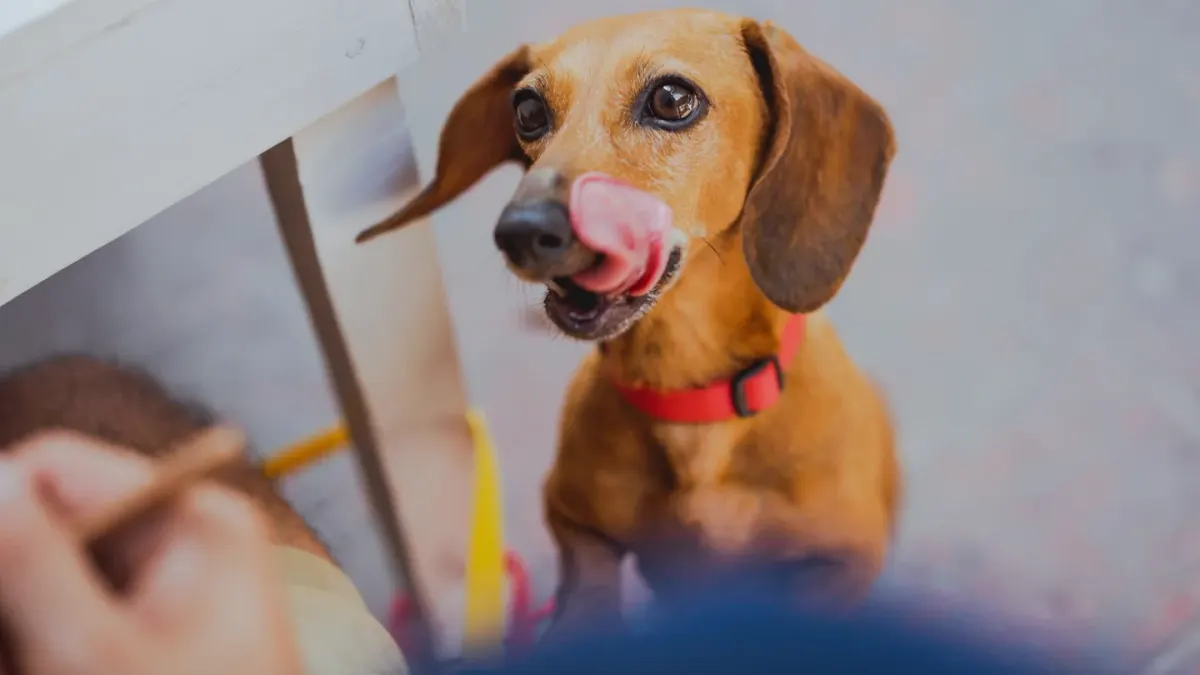
A 4-year-old black Labrador retriever, 68 pounds, in off-season conditioning, started a freeze-dried probiotic topper after a week of soft stools at the kennel. His handler poured the same scoop for 10 mornings, watched the first firm stool return on day 4, then watched stools loosen again when a new bag sat open near the feed bin for two weeks. That swing is the whole freeze-drying question in miniature. The process can hold bacteria in suspended animation, but freezing, drying, grinding, and open-bag storage each take a cut, so the count on the front is never the count in the bowl.
The count on the bag is not the count in the bowl
Freeze-drying, or lyophilization, freezes bacteria then pulls water out under vacuum. Without water, metabolism stalls. That is good for shelf life and for supporting normal digestive function, but ice crystals and dehydration injure cell membranes on the way down and on the way back up.
Expect a loss step at manufacture, then a slower loss in storage. Well-protected strains may lose 0.5 to 2 logs during drying and recover in the gut, while poorly protected or heat-exposed product keeps sliding. That is why I tell handlers to prioritize guaranteed CFU through end of shelf life, named strains, and third-party verification over a big manufacture-time number. The National Institutes of Health Office of Dietary Supplements makes the same point for human products: viability depends on strain, dose, and handling, not just the starting count.
Spore-formers such as Bacillus species tolerate drying better than Lactobacillus and Bifidobacterium, but no organism is immune to moisture, heat, and oxygen. A chew, powder, or topper that lists 5 billion CFU at manufacture may guarantee only 1 billion through expiry. Buy the through-expiry number. For context on how much dogs actually need, see How Many CFU Does a Dog Probiotic Actually Need?.
Myth versus reality for freeze-dried live counts
Myth: freeze-drying locks every cell alive until the expiration date. Reality: drying pauses the survivors, it does not resurrect the cells killed during freezing.
Myth: higher CFU always wins. Reality: a lower, stable, tested count beats a vanity number that dies in the bag. I reject labels that print only CFU at time of manufacture with no strain names and no lot testing. The National Animal Supplement Council quality program exists for exactly this reason: look for a seal, lot numbers, and a company that will share a certificate of analysis.
Moisture is the fastest killer after drying. Every open-bag exposure, damp scoop, or hot garage shelf restarts degradation. Oxygen and heat run second. Glass or high-barrier foil, desiccant, small bag size, and cool, dry storage preserve more live cells than any marketing strain story. Learn to read past the front panel in Best Probiotic for Dogs: Why the CFU Number on the Bag Isn’t the Real Test.
A 6-year-old, 42-pound border collie mix in agility training shows the tradeoff. Her owner switched from a refrigerated capsule to a freeze-dried chew for travel convenience, feeding it for 21 nights straight. Stools stayed formed for the first two weeks, then turned soft again in week three after the resealable bag was left half-open in a warm truck. The failed approach was not the strain. It was convenience without containment: no smaller pouches, no desiccant check, no cool storage. The handler did not need a stronger formula. She needed a drier one.

The sequence I use to keep more cells alive
Translate the mechanism into what you do tomorrow. Cold slows death, dryness prevents it, and time still counts.
Start with the label. Choose a product with genus, species, and strain, a guaranteed CFU through the best-by date, storage directions, and a lot number. If the company will not share testing, pass.
Then control water and heat. Reseal immediately, keep desiccant in the bag, use a dry scoop, store below 77°F, and do not dump chews into an open treat jar. Buy a size your dog finishes in 30 to 60 days. A bigger bag rarely saves money once die-off is factored, as explained in Does a Bigger Bag of Probiotic Chews Actually Cost Less Per Serving for Dogs?.
Feed it consistently and separately from prolonged heat. Add the topper after cooking or warm food has cooled, and do not bake it into treats. Watch stool form, appetite, and training energy for 2 to 4 weeks before judging.
A 9-month-old, 55-pound German shorthaired pointer pup on a 3-mile morning conditioning loop bends the usual advice. He trains early, eats once at the truck, and boards on weekends. His owner keeps the main bag sealed at home and pre-portions seven daily servings into small zip pouches for the road bag. When weekend stools loosened after boarding, she did not double the dose. She replaced the road pouches on day 7 instead of stretching them to day 14, and firm stools returned within three evening walks. Same product, tighter handling.
Freeze-drying does lower live counts at the start. Good formulation and tight storage decide how many stay live for your dog.
Frequently asked questions
Does freeze-drying kill all probiotics?
No. It kills a share during freezing and drying, then preserves many survivors if moisture, heat, and oxygen are controlled. Look for a guaranteed CFU through expiry, not just CFU at manufacture.
Should I refrigerate a freeze-dried dog probiotic?
Follow the label. Many freeze-dried products are built for cool, dry room storage, but heat and moisture still reduce live counts. Reseal fast, keep desiccant in, and avoid hot garages and damp scoops.
Sources
- Probiotics – Health Professional Fact Sheet — National Institutes of Health Office of Dietary Supplements
- Quality and Safety Standards — National Animal Supplement Council