Most probiotic trials fail because no one writes down what normal stool looks like before the first chew. A common question is how many weeks counts as a fair test, and food-first reasoning gives a steady answer: support for normal gut structure and function builds over consistent feeding, not over two good days.
The limit no short trial can get past
Live microbes, prebiotic fiber, and routine all act through the gut lining and resident community that helps maintain normal stool form and digestive comfort. Food therapy frames this as whole-patient support — steady meals, steady fiber, steady water — which may help support normal microbial balance over time. That biology does not reset in 3 days.
Short trials mislead in both directions. A dog with occasional loose stool can look better for 48 hours because meals were bland, walks were short, or stress dropped. A dog starting a new chew can look worse for 48 hours because the diet changed too fast. Neither stretch proves the strain works or fails.
This is where owners should set one prespecified target before opening the bag. Pick stool consistency, stool frequency, gas, or appetite consistency. For detail on stool signs, see How to Tell if a Probiotic Is Working for Your Dog’s Stool. Vague goals such as better gut health invite wishful scoring.
Myth against reality for judging probiotics
Myth: a higher CFU number should work faster.
Reality: label CFU describes count at manufacture, not colonization, survival through acid, or fit for the chosen target. The NIH Office of Dietary Supplements notes that probiotic effects are strain-specific and that dose, viability, and survival through the gut matter for whether a product may help support normal digestive function. Vanity CFU numbers do not override that point.
Myth: quit at day 7 when stool looks perfect.
Reality: early change still needs confirmation. Transit, fiber fermentation, and feeding pattern need another 1 to 3 weeks to show whether normal form holds.
Myth: keep going for months because something must be happening inside.
Reality: without a tracked target, a long trial only spends money. If the prespecified sign has not moved toward normal by week 4 to 6, the answer is usually change the plan, not extend the same plan.
The U.S. Food and Drug Administration explains why label reading matters: guaranteed analysis, feeding directions, and intended use tell more about a fair trial than front-label promises. Use that panel to confirm daily dose, feeding consistency, and storage.

A practical sequence for a 4 to 6 week trial
Keep meals boring on purpose. Food-first care means the same base diet, same treats, same fiber level, and same feeding times through the trial. Pumpkin fiber is a gentle, natural source of both soluble and insoluble fiber, and holding that fiber steady helps maintain normal stool bulk while the probiotic is judged.
Week 0 sets the baseline. Score stool once daily on a 1 to 7 scale, note frequency, gas, begging or appetite change, and any vomiting. Photograph nothing graphic; written scores beat memory. Owners weighing whether to start can review Signs Your Dog Needs a Probiotic: A Vet’s Whole-Patient Guide.
Weeks 1 to 2 watch tolerance. Mild gas or softer stool for a day or two can follow any diet addition. Split the daily amount morning and evening when the label allows, feed with food, and avoid adding new treats, chews, table scraps, or supplements.
Weeks 3 to 4 judge the target. This is the fair window for support of normal stool consistency and digestive regularity in most stable adult dogs.
One short paragraph earns emphasis here.
Stay the course only when the trend line moves toward normal.
Weeks 5 to 6 decide. Clear improvement toward normal means continue and recheck seasonally. No change means stop, reassess diet, parasites, stress, and medications with a veterinarian, then try a different strain or format. Worsening signs — repeated vomiting, bloody stool, lethargy, weight loss, or dehydration — end the trial early and prompt veterinary care, a point also reflected in the timeline in How Long Do Dog Probiotics Take to Work? A Timeline Owners Can Actually Trust.
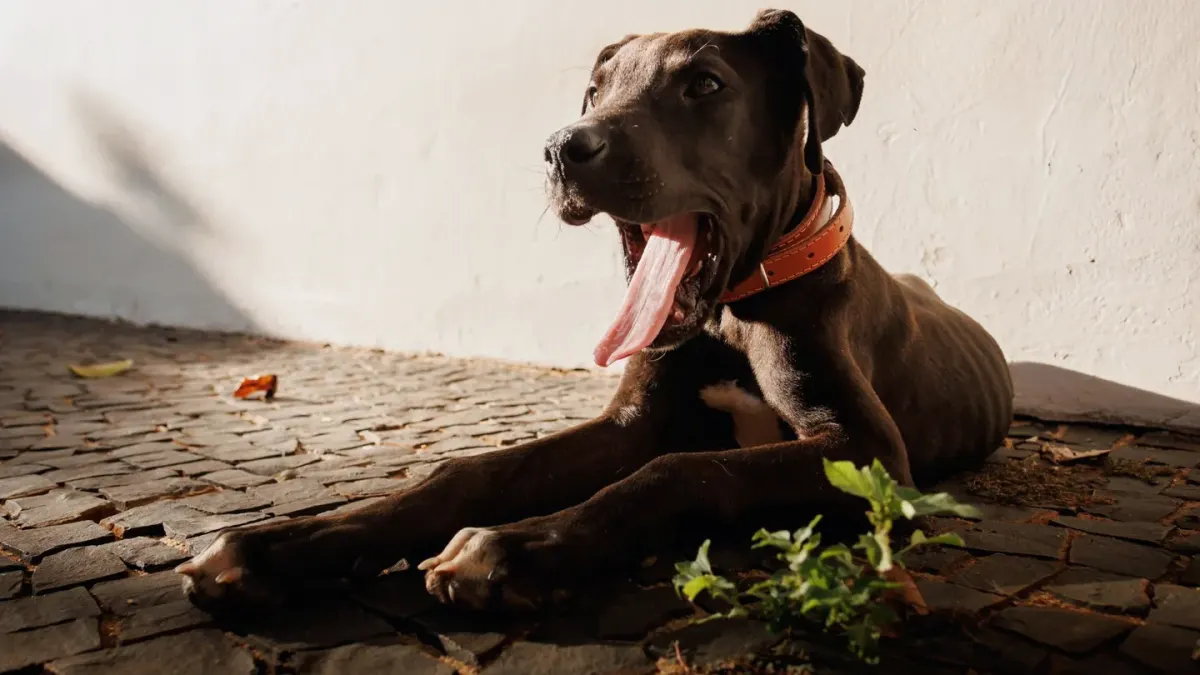
Vespa, an 8-year-old spayed female Italian Greyhound mix from Winston-Salem living with Jason, shows how this works without drama. Her target was morning stool form, scored daily for 28 days while meals and walks stayed fixed. Days 3 to 5 looked better, days 9 to 11 slipped after extra training treats, then weeks 3 to 4 held firmer scores with less straining. That 4-week record, not the good first weekend, earned continuation.
A balanced gut microbiome supports overall immune function, so senior dogs deserve the same discipline with closer weight and appetite tracking. See Do Senior Dogs Need to Change Their Probiotic Dose as They Age? before adjusting amount or duration for age alone.
The position here is direct: run one named target for 4 to 6 weeks on a fixed diet, then keep or stop based on the record. What would change that view is a strain-specific, placebo-controlled trial in dogs with the same target and dose showing a different time course. Until then, longer guesses and label CFU contests do not replace a written baseline.
Frequently asked questions
How long should I trial a dog probiotic before deciding it works?
Plan 4 to 6 weeks on a consistent diet with one tracked target, usually stool consistency or frequency. Judge mainly on weeks 3 to 4, then confirm through week 6.
Should I stop early if stool gets worse?
Stop adding variables and call a veterinarian when vomiting repeats, stool contains blood, energy drops, weight falls, or dehydration appears. Mild brief gas can occur with diet changes, but worsening signs end the trial.
Does a higher CFU mean I can trial for less time?
No. CFU counts describe manufacturing count, not speed of effect. Strain, viability, feeding consistency, and the chosen target matter more than the biggest number.
Sources
- Probiotics – Health Professional Fact Sheet — NIH Office of Dietary Supplements