
Check the strain line before you check the CFU count. Most Bacillus coagulans products for dogs list a hardy, spore-forming organism chosen to survive storage and stomach transit to help support normal digestive function. That durability is useful. It does not mean the strain colonizes long-term, rebalances every microbiome, or replaces diet, parasites control, or veterinary workup when signs persist.
A 4-year-old mixed-breed dog in a second-floor apartment had soft evening stools for 14 nights after a boarding stay. Mornings looked formed, afternoons turned pudding-like, appetite and energy stayed normal. The owner had tried three toppers, then asked whether a spore-forming probiotic would firm things faster. We kept meals and walk times fixed, tracked stool scores on the fridge, and added a labeled Bacillus coagulans product with a named strain and CFU through the end of the bag. By night 11 the log showed six of seven evenings formed, which gave us a concrete trend to judge instead of guessing.
The ceiling no spore can lift on its own
Think axis first. Gut signals feed into stress and metabolic feedback loops, including the hypothalamic-pituitary-adrenal loop that tunes cortisol, appetite, and gut motility. A supplement that supports normal digestive function works inside that system. It does not reset the loop when the driver is chronic stress, abrupt diet change, table scraps, intestinal parasites, or an unaddressed medical issue.
That is the surprising limitation: viability is not efficacy. Spore-formers survive well, which helps them reach the intestine alive. Once there, effects are transient and strain-specific, supporting normal stool consistency and normal gut function during routine upset. When NIH Office of Dietary Supplements describes probiotic effects as strain-specific and condition-specific in people, the same caution applies to dogs. Do not buy the biggest CFU number to override that biology.
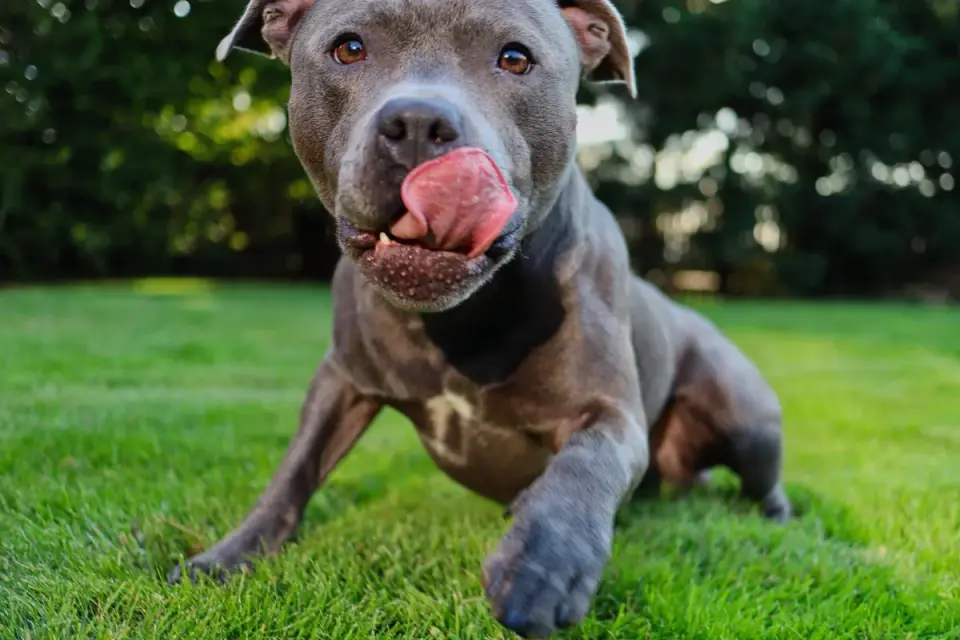
Myth versus reality for this spore-former
Myth: Bacillus coagulans seeds the gut for good. Reality: it passes through and supports normal function while fed. Stop feeding it and that support stops.
Myth: More billion CFUs means firmer stool. Reality: a named strain, a guaranteed CFU through expiration, storage directions, and a clean label tell you more than a vanity count.
Myth: Any digestive upset needs a stronger probiotic. Reality: trace the pattern. New food without transition, scavenging on walks, boarding stress, antibiotics, or deworming recovery each point a different way. Match the intervention to the trigger, then judge the log. Owners sorting post-medication wobble can compare notes with Enrofloxacin (Baytril) vs Probiotic Chews for Dog Gut Recovery: What Actually Helps, and owners past parasite treatment can use Probiotics for Dogs After Deworming Medication: What Actually Helps.
A 32-pound beagle mix shows the tradeoff. The owner picked a high-CFU chew with a proprietary blend, no strain designation, plus three extra fiber sources. Stools firmed for four days, then gas and morning urgency increased. We simplified to one plain diet, stopped toppers, finished the bag without reordering, and restarted later with a single-strain label dosed exactly as directed. The lesson stuck: stacked ingredients muddy the signal. Judge one clear variable at a time, and favor products that follow quality standards such as those described by the National Animal Supplement Council.
Buy it right, feed it right
Use this order. Read the panel first. Look for Bacillus coagulans plus strain code, CFU guaranteed to expiration, lot number, expiration date, storage instructions, and feeding directions by weight.
Feed consistently for 2 to 4 weeks. Give it with a meal unless the label directs otherwise. Keep diet, treats, and fiber steady so you can see what changed. Track stool form, frequency, appetite, and itching or vomiting daily. Expect gradual support for normal digestion, not overnight transformation. For a realistic calendar, see How Long Do Dog Probiotics Take to Work? A Timeline Owners Can Actually Trust.
Stop and call your veterinarian for bloody stool, vomiting with lethargy, weight loss, no improvement after the trial, or a puppy, senior, or immunocompromised dog with worsening signs. Bring the label, the start date, and your log.
A household with a new rescue shows where standard advice bends. The resident dog ate on schedule, while the 2-year-old newcomer paced at night and needed four extra walks per day for soft stool. Instead of doubling the probiotic, the owner kept the resident dog on routine, gave the newcomer separate quiet feeding space, held treats to one training kibble, and ran the labeled Bacillus coagulans course only for the newcomer. Stool scores steadied once nighttime arousal dropped. The axis mattered more than the capsule. For multi-dog transitions, borrow structure from Probiotics for a Household After Adding a New Dog.
So where does this leave you? Choose Bacillus coagulans when you want a stable, well-labeled strain to support normal stool consistency and normal gut function through routine stress, travel, or diet transitions. Skip it as a fix for persistent disease signs. What question does your log answer after three weeks — steadier function, or a pattern that needs a clinic visit?
Frequently asked questions
Does Bacillus coagulans need refrigeration?
Follow the label. Spore-formers are generally shelf-stable, but store as directed and check the expiration date and CFU guarantee through expiration.
How long should I try it before deciding?
Feed exactly as directed for 2 to 4 weeks with a steady diet, track stool form and frequency daily, then keep, switch, or call your veterinarian based on the trend.
Can I combine it with fiber or enzymes?
Ask your veterinarian first. Keep one variable at a time during the trial so you can tell what helped support normal digestion.
Sources
- Probiotics - Health Professional Fact Sheet — NIH Office of Dietary Supplements
- Consumer Resources for Pet Supplements — National Animal Supplement Council