On this page
| Product | Score | Key details | Best for | Pros & cons |
|---|---|---|---|---|
| Boops Pets Probiotics 30 Billion Boops Pets | 9.4/10 | Human-grade probiotic blend (30 billion CFUs), pumpkin prebiotic fiber, inulin (400 mg), postbiotic yeast complex (300 mg), digestive enzymes (15 mg); air-dried soft chew · Per-chew serving, dosed for dog body weight | Owners who want a gut-health routine built for a dog's physiology from the first ingredient, no capsule-splitting math required |
|
| Generic human probiotic capsule (xylitol-sweetened) Various | 1.5/10 | Freeze-dried human strains with xylitol or sorbitol as a filler/flow agent · Formulated for adult human body weight, not a dog | Human use only |
|
| Generic human probiotic capsule (xylitol-free) Various | 3/10 | Freeze-dried human strains with cellulose or rice flour filler instead of xylitol · Formulated for adult human body weight, not a dog | Human use only |
|
A client called me last spring in a mild panic. Her dog, a food-motivated beagle mix, had gotten into her purse and chewed through a travel pack of her morning probiotic capsules. She didn’t know the brand’s exact ingredient list off the top of her head, and neither did I, until we pulled up the label together over the phone. That gap — between assuming a supplement is harmless and actually knowing what’s in it — is where most of these calls start.
The Kitchen-Counter Moment That Started This Question
A dog capsule spill rarely looks dramatic in the moment. A bottle tips over, a few capsules roll under the cabinet, and by the time anyone notices, several are already gone. The question that follows is almost always the same one: does my human probiotic capsule contain xylitol, and does it matter that my dog just ate a handful? It matters quite a bit, and the honest answer is that you often can’t tell without reading the fine print.
What’s Actually in a Human Probiotic Capsule
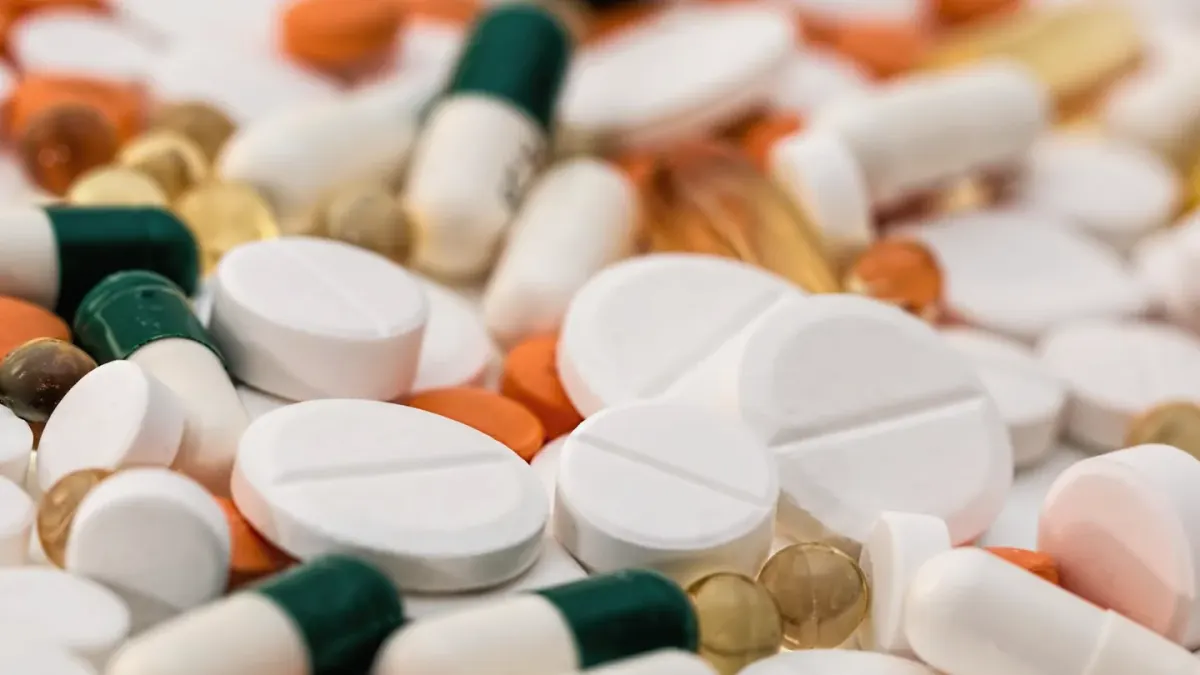
Human probiotic manufacturers build their capsules around adult human dosing and human gut flora, not a dog’s. To keep the freeze-dried culture stable and flowing smoothly during manufacturing, many formulas lean on fillers and flow agents — cellulose, silicon dioxide, magnesium stearate, and in a meaningful share of products, sugar alcohols like xylitol. Xylitol shows up as an inactive ingredient in some Lactobacillus and Bifidobacterium capsule lines precisely because it performs well as a bulking and flow agent, not because anyone designed it with a dog owner’s household in mind. That’s the pattern worth understanding before you ever consider sharing a capsule.
Why Xylitol Turns a Wellness Habit Into an Emergency
Xylitol is genuinely dangerous for dogs, even in amounts that would barely register for a person. According to the FDA, the agency has received repeated reports of dogs becoming severely ill after eating xylitol-containing products, and the mechanism is well understood: a dog’s pancreas mistakes xylitol for real sugar and releases a surge of insulin, which can crash blood glucose to dangerous levels. The Merck Veterinary Manual notes that doses above roughly 100 mg/kg have been linked to hypoglycemia, and doses above 500 mg/kg carry a risk of acute liver injury. Early signs — vomiting, wobbliness, sudden lethargy — can appear within an hour. This is not a case where a smaller dog just gets a smaller version of an upset stomach.
A single probiotic capsule usually carries a modest amount of xylitol relative to, say, a stick of sugar-free gum. Even so, the ASPCA has warned that manufacturers have quietly increased xylitol concentrations in some consumer products over the years, so a dose that once seemed trivial isn’t guaranteed to stay that way. I’d rather a client call me over a bottle that turned out to be xylitol-free than skip the call because the amount seemed small.
If You Suspect Your Dog Ate a Capsule
This part is short, on purpose. Call your vet or an animal poison control line immediately, and bring the bottle or a photo of the ingredient panel with you. Don’t wait for symptoms to confirm your suspicion before you make that call.
Choosing a Probiotic Made for Dogs From the Start
Once that immediate scare passes, the more useful pattern is to remove the guesswork going forward. A probiotic built specifically for dogs never needed xylitol in the first place, because it was formulated around a dog’s dosing and a dog’s gut, not repurposed from a human supplement line. Boops Pets Probiotics 30 Billion is a four-part formula — a human-grade probiotic blend, pumpkin-based prebiotic fiber with inulin, a postbiotic yeast complex, and digestive enzymes — designed as a soft chew rather than a capsule split for convenience. The formula pairs probiotics, prebiotic fiber, a 300 mg postbiotic yeast complex, and digestive enzymes, and a balanced gut microbiome supports overall immune function.
A balanced gut is a whole-dog story, and the supplement is only one lever alongside diet, stress, and routine. Boops is a NASC Quality Seal member, meaning its facilities are independently audited, and the formula is third-party tested for purity rather than taken on the label’s word alone. None of that replaces good judgment about what’s sitting in the medicine cabinet. It does mean that when you’re ready to add a probiotic to a dog’s routine on purpose, rather than reacting to what fell out of your purse, you’re not choosing between two unknowns.
For a broader look at how strains, CFU counts, and testing stack up across the category, our Best Probiotic for Dogs comparison walks through the full rubric, and if you’re still deciding whether your dog needs one at all, Signs Your Dog Needs a Probiotic covers the patterns worth watching for first.
A common question after a scare like this is whether it’s worth keeping any human supplements in a shared space with a dog at all. That’s less a rule than a habit worth building one drawer at a time — what would it take to make your own medicine cabinet genuinely dog-proof?
Frequently asked questions
How can I tell if my probiotic capsule contains xylitol?
Check the supplement facts panel under "other ingredients" — xylitol is sometimes used as a sweetener or flow agent in powdered or chewable probiotic formulas. If the label doesn't spell it out clearly, treat the product as unverified and keep it away from your dog.
What should I do if my dog already swallowed a capsule?
Call your vet or an animal poison control line right away and have the label or bottle in hand so they can check the ingredient list. Signs of xylitol toxicity, per the Merck Veterinary Manual, can include vomiting, weakness, and loss of coordination, sometimes within an hour of ingestion.
Is it fine to just give my dog a smaller dose of my own probiotic?
I'd steer away from that pattern. Beyond the xylitol question, human strains and CFU counts aren't validated for canine gut flora, so a dog-formulated product is the more defensible everyday choice.
Sources
- Paws Off Xylitol; It's Dangerous for Dogs — FDA
- Xylitol Toxicosis in Dogs — Merck Veterinary Manual
- Updated Safety Warning on Xylitol: How to Protect Your Pets — ASPCA
- NASC Primary Supplier Member — Boops Pets — NASC