On this page
If your dog’s stomach is unsettled after a switch to raw food, you’re not doing anything wrong, and you’re also not alone. This is one of the most common questions we hear from owners who are excited about a new feeding plan and then watch their dog turn down meals, pass soft stool, or seem a bit off for a few days. The good news: in most cases, it’s fixable, and it’s fixable without abandoning the diet.
The problem: why the gut reacts to a fast switch
A dog’s digestive system runs on routine. The bacteria living in the gut, the enzymes the pancreas produces, even the pH of the stomach acid, all of it calibrates to whatever food shows up regularly. Swap that food overnight, especially from a starch-heavy kibble to a protein- and fat-dense raw diet, and you’re asking the whole system to recalibrate on short notice. That mismatch is what most owners are describing when they say their dog has a stomach upset after switching to raw food.
It isn’t usually that raw food is bad for the dog. It’s that the gut hasn’t had time to catch up. Fat content, protein source, and moisture level are all different from a bag of kibble, and the microbes and enzymes doing the digesting need days, not hours, to adjust their output.
What’s actually happening inside the gut
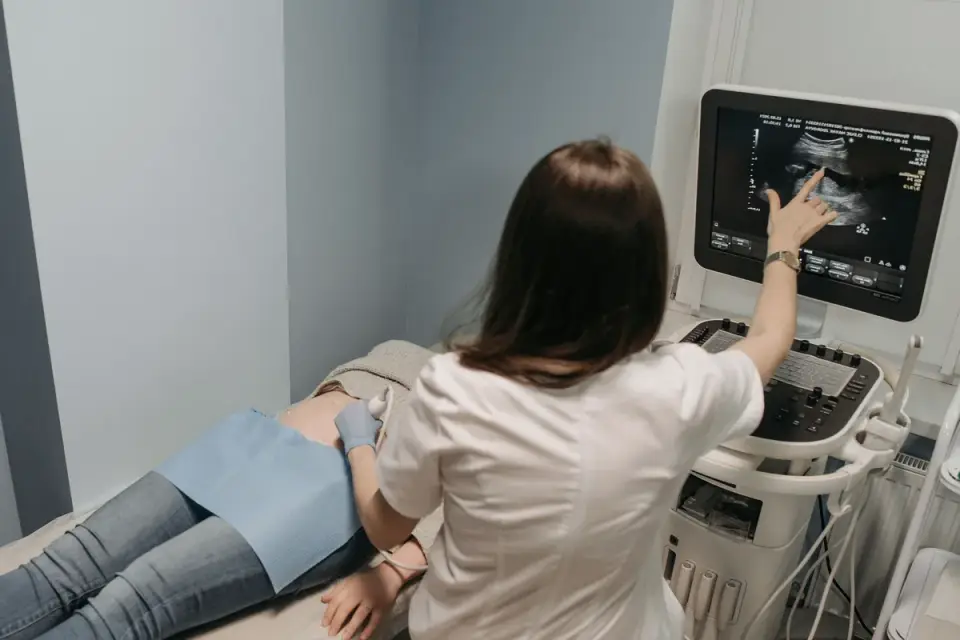
Think of it in patterns rather than a single mechanism. A sudden diet change disrupts the balance of resident gut bacteria, and that shift can show up as gas, softer stool, or a day or two of reduced appetite while things settle. In dogs with an underlying pancreatic issue, digestive upset can be more persistent. For those cases, treatment usually centers on enzyme replacement and nutritional management rather than diet timing alone, since the Journal of the American Veterinary Medical Association notes that exocrine pancreatic insufficiency is treated by pancreatic enzyme replacement therapy, nutritional management with low-residue diets with moderate fat content, and supplementation of cobalamin. That’s a distinct condition from ordinary transition upset, but it’s part of why a vet visit matters when symptoms don’t resolve.
For most dogs, though, this is a temporary adjustment problem. Our whole-patient guide to the signs a dog needs a probiotic covers how to read normal transition symptoms against signs of a deeper imbalance, which is worth a look if you’re unsure which camp your dog falls into.
The solution: pace the switch, don’t force it
Here’s the piece that solves this for most dogs: slow down. A transition spread over one to two weeks, moving from roughly 25 percent new food to 75 percent old, then 50/50, then 75/25, then fully switched, gives the gut a gradual runway instead of a cliff. Some dogs, particularly sensitive breeds or seniors, do better with an even longer window; two to three weeks isn’t excessive if that’s what your dog needs.
Smaller, more frequent meals during the transition also help. A dog eating two large raw meals a day may do better on three or four smaller ones for the first week or two, since it reduces the digestive load at any one sitting.
Keep portions modest and consistent day to day rather than varying protein sources every meal. Novelty is fun for us; it’s one more variable for a gut that’s already adjusting.
Where probiotics and gentle fiber fit
A balanced gut microbiome supports overall immune function, and many vets, myself included, reach for a probiotic during a diet transition as one piece of a supportive plan rather than a fix on its own. That said, response isn’t universal. A recent controlled trial found that Frontiers in Veterinary Science reported gut microbiota diversity metrics did not distinguish non-responders from responders, a useful reminder that probiotics may help support some dogs through a rough patch without being a guarantee for every dog.
Some owners also add a spoonful of plain pumpkin during a transition, and it’s a reasonable, low-risk habit. It just isn’t a substitute for pacing the switch correctly.
If you’re weighing which probiotic actually holds up on strain identity and testing, our vet-scored comparison of dog probiotics walks through the rubric we use to separate genuine formulas from marketing hype.
When it’s more than a transition
Most transition upset is short-lived and mild, a day or two of softer stool, a skipped meal, some gas. What isn’t normal: repeated vomiting, blood in the stool, black tarry stool, lethargy, a dog who won’t drink water, or upset that hasn’t eased after a week of slow, careful transitioning. Any of those warrant a call to your vet rather than more patience.
So, if your dog’s stomach is protesting the new food right now, what would it look like to just slow down this week and watch, before assuming something’s actually wrong?
Frequently asked questions
How long does stomach upset last when switching a dog to raw food?
Most mild cases, soft stool, a little gas, one or two skipped meals, settle within three to seven days once you slow the transition pace. If it's still going after a week, or if your dog seems unwell, that's worth a vet call rather than more waiting.
Should I stop raw food completely if my dog has diarrhea?
Not automatically. Mild, self-limiting loose stool during a transition often responds to a slower pace and smaller portions rather than a full stop. Vomiting, blood in the stool, lethargy, or diarrhea that doesn't ease after a few days is a different picture and warrants a vet visit.
Do probiotics help with the switch to raw food?
They may help support digestive comfort during a diet change for some dogs, though response varies dog to dog. A large trial found that gut diversity metrics didn't reliably distinguish which dogs responded to probiotics and which didn't, so think of them as one supportive tool, not a guaranteed fix.
Is it normal for a raw-fed dog's stool to look different than kibble stool?
Yes. Raw diets tend to produce smaller, firmer, lower-volume stool than kibble because more of the food is digested and absorbed. That's a texture and volume change, not upset, as long as your dog is otherwise eating, drinking, and behaving normally.
Sources
- Exocrine pancreatic insufficiency in dogs and cats — Journal of the American Veterinary Medical Association
- Probiotic response and gut microbiota diversity in dogs — Frontiers in Veterinary Science