On this page
A puppy’s loose stool can often be coaxed back to normal naturally through calm, food-first care rather than a switch of diets. That’s genuinely good news for most owners staring at a mess on the kitchen floor at 6 a.m., because it means the fix rarely starts with a new bag of kibble. It starts with slowing everything down.
What actually causes a puppy’s stool to loosen?
Puppies have young, easily-rattled digestive systems, and the list of everyday triggers is long: a sudden food switch, a stolen bite of something in the yard, stress from a new home or a car ride, a mild parasite load, or a bug picked up at the dog park. What to Do If Your Puppy Has Diarrhea: Advice for Puppy Owners notes that puppy diarrhea should always be taken seriously as a potential emergency, simply because a young dog can dehydrate faster than an adult and because some causes, like parvovirus or heavy worm burdens, need medical treatment rather than home care. So the first job isn’t diagnosing the cause yourself. It’s watching the pattern: one loose stool after a treat binge behaves very differently than repeated watery stools that keep coming back.
How fast should naturally supportive steps actually work?
Give it about 24 to 48 hours. VCA Animal Hospitals advises that if a puppy fails to improve on home care, or diarrhea persists past two days, it’s time for a vet visit. That window matters because it keeps you from either panicking over one soft stool or, worse, waiting out something that needed attention on day one. Set a mental timer when you notice the first loose stool, and reassess honestly at the 48-hour mark rather than letting “a few more days” quietly become a week.
What does food-first care look like this week?
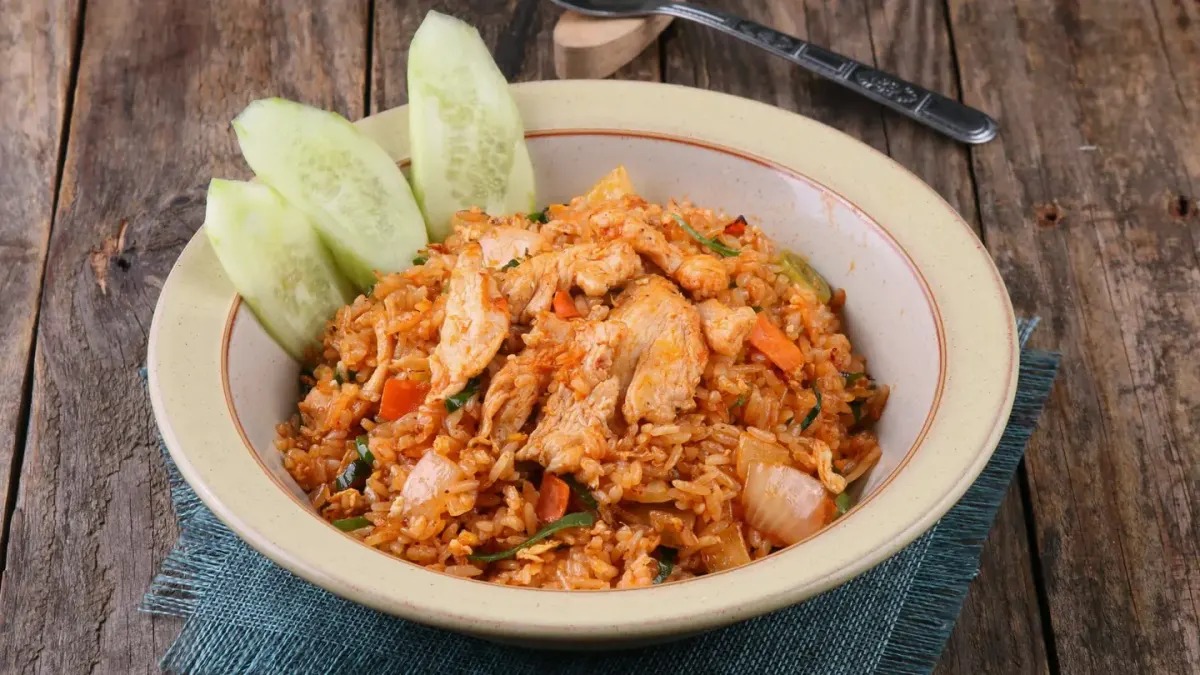
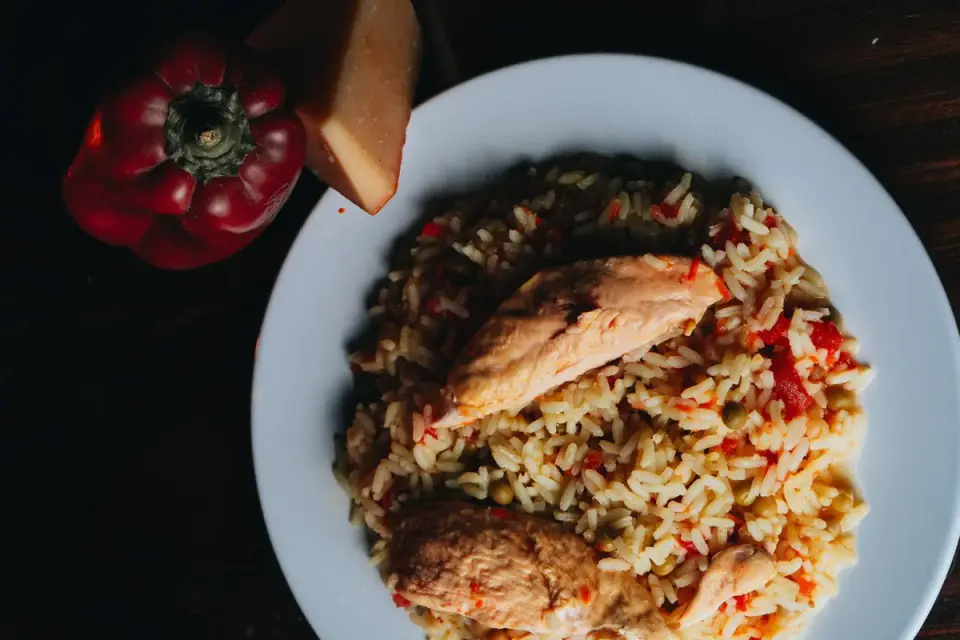
Start simple. Boiled, skinless chicken with plain white rice, offered in smaller portions more often, gives the gut something bland to work with instead of a full meal it has to fully digest all at once. Fresh water should stay available at all times, since fluid loss is the real danger behind loose stool in a small-bodied puppy. Skip fasting; growing puppies need steady calories, and going without food is not the same kind of “rest” it might be for an adult dog. Once stools firm up and stay that way for a full day, reintroduce regular food gradually rather than switching back all at once.
One short note worth sitting with: patience is part of the treatment plan, not a placeholder for it.
When does fiber like pumpkin actually help?
Plain canned pumpkin, not pie filling, is one of the more defensible home additions for firming stool. Per the AKC’s Can Pumpkin Help Dogs With Diarrhea? Benefits, Dosage, & Tips, insoluble fiber helps regulate intestinal transit time, slowing things down during diarrhea, while soluble fiber absorbs water and adds bulk to loose stool. Use it as a short-term addition to bland meals, not as a daily supplement that quietly becomes the new normal. If your puppy seems to need pumpkin every week just to stay regular, that pattern itself is worth mentioning at the next visit, since it may be pointing at something structural, dietary, or parasitic underneath.
Do probiotics belong in the plan?
They can, with realistic expectations. According to the Cornell University College of Veterinary Medicine, probiotics are a well-known therapy for diarrhea and gastrointestinal upset, working by boosting the healthy gut bacteria that help digest food, and a canine-formulated probiotic with documented strains is a reasonable piece of a food-first plan. What’s less settled is who responds best: a Frontiers in Veterinary Science study on dogs found that “diversity metrics did not distinguish non-responders from responders,” meaning gut diversity alone can’t predict which puppies will improve on a given probiotic. In plain terms, don’t chase the biggest CFU count on the label; a more diverse-looking gut on paper doesn’t guarantee a better outcome for your specific puppy.
When is loose stool no longer something to manage at home?
Some causes need more than fiber and patience. Per a JAVMA review, “EPI is treated by pancreatic enzyme replacement therapy, nutritional management (low-residue diets with moderate fat content), and supplementation of cobalamin,” and the same review cautions that “future studies are needed to further understand the causes of persistent dysbiosis in animals with EPI following initiation of pancreatic enzyme replacement therapy and assess the efficacy of treatments to ameliorate these abnormalities.” That’s exactly the kind of case a kitchen fix won’t touch. Watch for lethargy, repeated vomiting, blood in the stool, a swollen belly, or stool that stays loose past that 48-hour window. Any of those is your cue to stop experimenting and get bloodwork or a fecal exam instead.
For a broader read on what a wobbly gut is signaling day to day, our whole-patient guide to the signs your dog needs a probiotic walks through the pattern-reading in more depth, and our vet-scored comparison of probiotics for dogs breaks down what separates a defensible formula from a marketing one.
Quick recap: most puppy loose stool is a short-lived digestive stumble, not a diagnosis. Bland food, steady water, a short course of plain pumpkin, and a realistic 48-hour clock will resolve the majority of cases naturally. When that clock runs out, or when your puppy shows any of the warning signs above, food-first care hands off to your veterinarian.
Frequently asked questions
How long should I wait before calling the vet about my puppy's loose stool?
Give food-first care a day or two. According to VCA Animal Hospitals, if diarrhea persists for more than two days, fails to improve on home care, or comes with lethargy, vomiting, loss of appetite, or blood, it's time to see the vet.
Can I feed pumpkin every day to keep my puppy's stool firm?
Plain canned pumpkin is a reasonable short-term fiber source, but it isn't meant as a daily fix. If your puppy needs it regularly to stay firm, that's a sign to loop in your vet about the underlying cause rather than a diet to manage indefinitely.
Are probiotics enough on their own to firm up loose stool?
Probiotics can be a useful piece of a food-first plan, but strain quality and consistency matter more than the label claim, and no probiotic replaces a veterinary workup if the loose stool persists or your puppy seems unwell.
Sources
- What to Do If Your Puppy Has Diarrhea: Advice for Puppy Owners — American Kennel Club
- Can Pumpkin Help Dogs With Diarrhea? Benefits, Dosage, & Tips — American Kennel Club
- What to do when your puppy has diarrhea — VCA Animal Hospitals
- The power of probiotics — Cornell University College of Veterinary Medicine
- Exocrine pancreatic insufficiency treatment review — JAVMA
- Fecal microbiota and probiotic response in dogs — Frontiers in Veterinary Science