The mucus blanket inside your dog’s intestines does more quiet work than almost any supplement on the shelf, and it cannot be rebuilt overnight.
I think of it as a living filter rather than a wall. Goblet cells along the intestinal lining constantly secrete heavily glycosylated mucins, mostly MUC2 in the colon, which hydrate into two strata: a loose outer layer where resident microbes live and feed, and a dense inner layer that stays nearly sterile and keeps bacteria off the epithelial surface. When that inner layer holds, immune sampling stays calm. When it thins, bacteria brush closer to the epithelium and stool often loosens first.
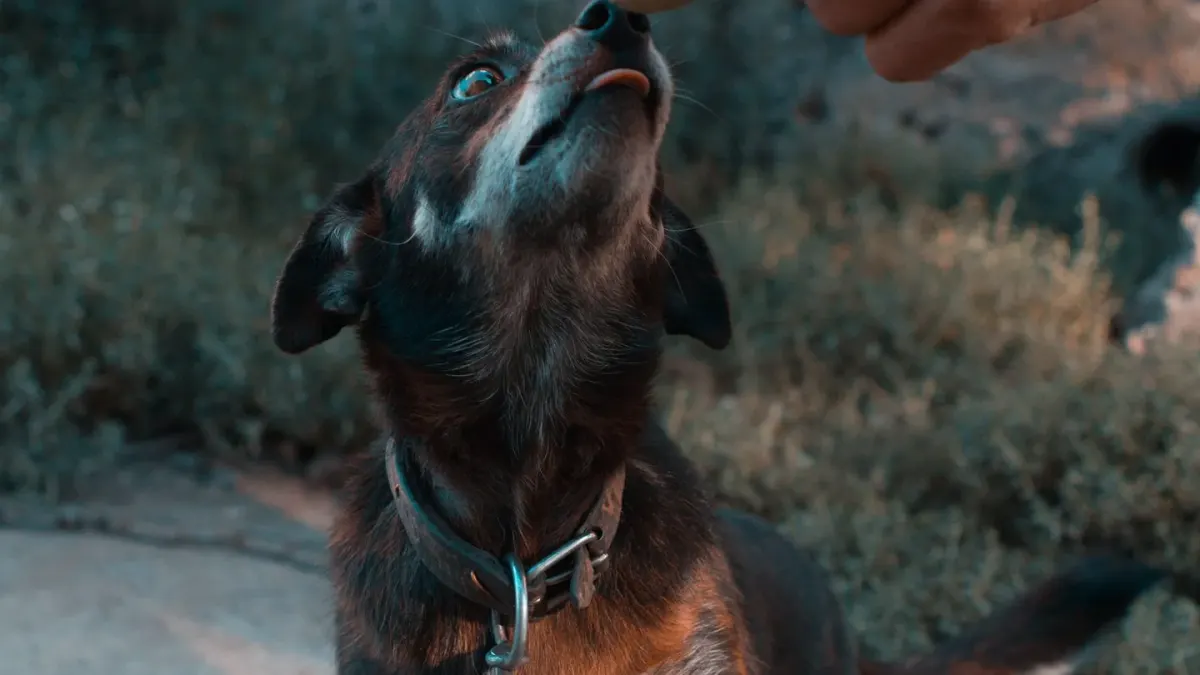
In the ER I learned to respect that timing. A 4-year-old, 28-pound mixed-breed dog came in after three nights of soft stool following boarding, still bright and drinking well but passing mucus-tinged stool twice per overnight walk. The owner expected a single strong powder to firm everything by morning. We talked instead about rest, small bland meals, hydration, and watching the count drop from four loose passes to two formed ones over 72 hours. That dated timeline mattered more than any label, because mucus turnover takes steady fuel, not a surge.
Why the inner layer fails before microbes do
This is the surprising limitation owners miss: diversity numbers can look reasonable while barrier function is already strained.
The inner MUC2 system is described in detail by PubMed, which shows how two distinct colonic layers separate bacteria from the epithelium in health. Fermentable fiber, short-chain fatty acids from microbial fermentation, adequate hydration, and consistent meal timing all help support normal goblet-cell secretion. Long fasts, abrupt diet swaps, dehydration, and repeated bouts of large-bowel irritation may help undermine that rhythm. The result is not always bloody diarrhea; sometimes it is just intermittent soft stool, extra urgency, or visible jelly-like mucus.
Mucins themselves are large, sugar-coated proteins whose structure explains their water-holding capacity, a point summarized clearly by the National Center for Biotechnology Information. Without enough water and fermentable substrate, the gel does not hydrate well. That is why plain advice about fresh water, gradual transitions over 7 to 10 days, and soluble fiber from food often matters more than adding another strain.
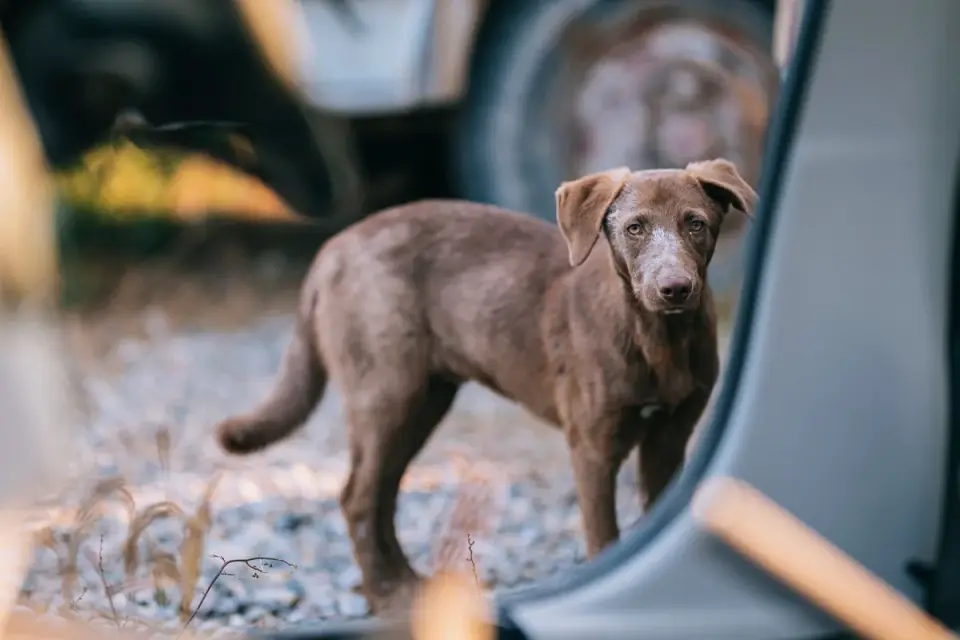
A 9-month-old spaniel puppy taught me the failed tradeoff. The family, worried after a weekend of table scraps, had tried three different chews in five days, each at a full dose, while also skipping meals to rest the gut. The pup still had late-night urgency and needed three extra outdoor trips per night. More products did not thicken the layer; the stop-start feeding did the opposite. We simplified to one consistent bland base, divided into four small meals, with steady water access and a slow return to the regular diet. The night trips fell to zero before the stool looked perfect, which is often how recovery reads.
Myth versus reality for coating and repair
Myth: a thickener or a high CFU count coats the gut like paint.
Reality: no oral product lays down mucus. Goblet cells do, when they receive consistent signals from food, hydration, and resident microbes. Fermentable fibers that feed butyrate producers may help support the environment goblet cells need, but they do not replace the layer directly.
That distinction shapes how I read labels. I pay less attention to vanity CFU totals and more to named strains, honest per-day dosing, feeding directions, and whether fiber sources are spelled out. If you are seeing persistent signs, review What Are the Symptoms of Poor Gut Health in Dogs? and track frequency, form, appetite, and water intake rather than chasing one perfect stool.
Food-first care stays plain here. Gradual transitions, adequate protein for tissue maintenance, soluble fiber in modest amounts, and predictable mealtimes may help support normal barrier turnover. Needle-based care does not rebuild mucus, but in my acupuncture practice, dogs with chronic large-bowel urgency sometimes rest better through a calmer routine, which helps owners stay consistent with feeding. Expectation-setting comes first: improvement often shows as less urgency before it shows as firm form.
A practical sequence that respects physiology
Keep scaffolding light and sequential.
Feed consistently before you add. Offer the same digestible base for several days, in smaller, more frequent meals, with water always available. Change only one variable at a time so you can tell what helped.
Then feed the microbes that feed the layer. Small amounts of cooked pumpkin or other gentle fiber, introduced slowly, give fermenters substrate without overwhelming the gut. For context on fiber types, Probiotics vs Prebiotics for Dogs: Why Your Dog’s Gut Needs Both, Scored Honestly and Prebiotics vs. Postbiotics for Dog Gut Health: What Actually Closes the Loop lay out why substrate often matters as much as strains.
Watch and decide. If appetite fades after surgery or illness, Dog Not Eating After Surgery? Gut Support Tips That Actually Help is a useful bridge, because missed meals quickly reduce the fuel goblet cells use.
The usual advice has to bend for the senior dog who cannot handle volume. A 12-year-old, 18-pound terrier mix with early kidney issues needed hydration caution and could not tolerate four full meals, so we used six teaspoon-sized feedings across a 10-hour window, warmed slightly, with water offered between rather than flooded on top. Her owner logged distance walked without urgency, and the stretch grew from one block to six blocks over a week. Same principle, smaller rhythm.
What would change my mind? A well-controlled canine trial showing a specific strain or fiber dose directly thickens the inner MUC2 layer on histology and improves clinical signs beyond diet alone. Until then, current evidence supports the quieter path: consistent feeding, hydration, gradual changes, and patience while goblet cells do their work.
Frequently asked questions
What is the gut mucus layer in dogs?
A two-part mucus gel made mainly of MUC2 mucin that separates gut bacteria from the intestinal lining, with a loose outer zone for microbes and a dense inner zone that protects epithelial cells.
How can I tell if my dog's gut barrier is irritated?
Watch for soft stool, visible jelly-like mucus, extra urgency, more frequent night trips, or flatulence after diet changes. Track frequency and form for several days and call your veterinarian if blood, vomiting, lethargy, or loss of appetite appears.
Do probiotics rebuild mucus directly?
No. Goblet cells produce mucus when feeding, hydration, and microbial signals stay consistent. Fiber substrate and steady meals may help support that environment, but no chew paints on a new layer.
Sources
- The inner of the two Muc2 mucin-dependent mucus layers in colon is devoid of bacteria — PubMed
- Physiology, Mucins — National Center for Biotechnology Information