
On this page
Most owners think giardia looks like an emergency — sudden, violent, unmistakable. In my house-call practice, it’s almost never that. It’s quieter. A dog skips a meal, has one loose stool, seems fine by dinner, and then does the same thing again three days later. That pattern, not a single dramatic episode, is the real signal worth learning to read.
The Myth That Delays Diagnosis
The common myth is that giardia announces itself clearly — watery diarrhea, obvious distress, a dog who is visibly sick. The reality is closer to the opposite. According to the VCA Hospitals overview of the parasite, giardia is an intestinal infection that may lead to weight loss, chronic intermittent diarrhea, and fatty stool, and many infected dogs never show obvious signs at all. That intermittency is the trap. Owners see one soft stool, assume it was something the dog ate, and move on. Two weeks later they’re back with a dog who has lost a noticeable amount of weight and no clear story of when it started.
I met a young terrier mix a few winters back through a case that stuck with me, generalized here because it’s a pattern I see often rather than one dog I’m naming. The owner worked long shifts and mostly saw the dog in the evenings, when he seemed tired but not obviously ill. Stool in the yard was inconsistent — firm some days, greasy and pale on others — and she’d chalked it up to a new bag of kibble. What finally brought her in wasn’t diarrhea. It was that the dog, usually first to the door, had started hanging back. Energy dropping quietly, underneath stool changes she’d already stopped noticing, is a pattern worth taking seriously on its own turf, in that dog’s own baseline, rather than against a textbook description of what giardia is supposed to look like.
What Giardia Actually Looks Like Day to Day
Look for a cluster, not a single sign. The Merck Veterinary Manual describes the clinical picture as abdominal discomfort and diarrhea, often with steatorrhea — fatty, greasy-looking stool. Add to that list: soft, watery, or greenish stool that comes and goes rather than staying constant; flatulence and mild lethargy tied to ongoing digestive discomfort; occasional vomiting in some dogs; and gradual weight loss in dogs with a longer-running, low-grade infection. Puppies and young dogs are more likely to show signs at all, since older dogs frequently carry the parasite without symptoms.
A Practical Sequence If You Suspect Giardia
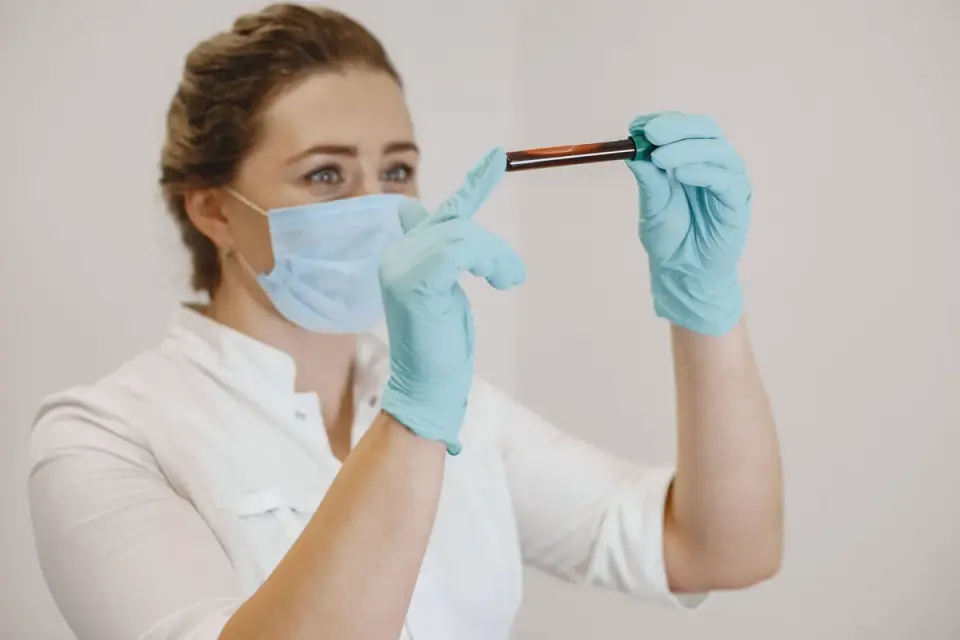
Start a stool log before you call the vet, not after. Note consistency, color, and frequency for five to seven days; a pattern is far more useful to a clinician than a single description over the phone. Bring a fresh stool sample to the appointment, ideally collected the same morning, since older samples make cyst detection harder. Ask specifically about the testing method rather than assuming a routine fecal check is the final word — a standard flotation may fail to detect tiny Giardia cysts, and a zinc sulfate flotation or antigen test is often needed, per the Merck manual above. If the first test is negative but the pattern continues, ask about retesting rather than dropping it. And once treatment starts, follow the full course even if stool normalizes early; stopping short is a common reason signs return.
Why a Clean Fecal Test Doesn’t Rule It Out
This is the piece most owners aren’t told plainly enough. A negative result on day one doesn’t mean no giardia — it can mean the sample happened to be collected on a low-shedding day. That’s a legitimate reason to trust a clinical pattern over a single lab result, and to bring both the log and a fresh sample if signs persist after an initial negative test. If your dog’s baseline signs already worried you enough to check our guide on signs your dog needs a probiotic, giardia is worth ruling out first — a probiotic won’t resolve an active parasitic infection.
Supporting the Gut While Treatment Works
A vet-prescribed anti-parasitic clears the infection; it doesn’t automatically reset gut balance overnight. Research on probiotic use in dogs with digestive upset found that diversity metrics did not distinguish non-responders from responders, according to a peer-reviewed study in Frontiers in Veterinary Science — a useful reminder that not every dog rebounds the same way, and that gut support during recovery is about consistency more than chasing a specific number. A bland, low-residue diet during the acute phase, followed by a gradual return to normal food, tends to make the recovery period easier on a dog who’s already had a rough couple of weeks. If you’re comparing probiotic options for that recovery window, our vet-scored probiotic comparison walks through what actually earns a place on the label versus what’s mostly marketing.
When to Worry About Your Own Health
Owners often ask if they can catch giardia from a sick dog. Per the CDC, the Giardia types that commonly infect dogs and cats are often not the same ones that cause illness in people, which keeps household transmission risk generally low. Basic hygiene — handwashing after cleanup, prompt disposal of stool — is still worth doing, particularly if young children, elderly family members, or anyone immunocompromised shares the home. And a reminder while you’re reorganizing the medicine cabinet during treatment: human probiotic capsules aren’t automatically safe for dogs, since some contain xylitol. If you’re ever unsure about a capsule on the counter, our piece on xylitol in human probiotic capsules is worth a read before you improvise.
Watching the Pattern, Not the Panic
The dogs who get diagnosed early aren’t the ones with the most dramatic symptoms. They’re the ones whose owners noticed a quiet pattern and didn’t talk themselves out of it. Keep that stool log going even after treatment starts, watch energy as closely as you watch the yard, and expect the gut to need a few realistic weeks to settle rather than a single overnight fix. That patience, more than any one test or supplement, is what actually gets a dog back to normal.
Frequently asked questions
Can a dog have giardia and still poop normally most of the time?
Yes. Giardia's clinical signs are often intermittent, and many dogs carry the parasite without ever developing diarrhea. That's part of why a single normal-looking stool doesn't rule it out.
Is a negative fecal test enough to clear my dog of giardia?
Not always. Because Giardia cysts shed inconsistently, a routine fecal flotation can miss an active infection; veterinarians often use a zinc sulfate flotation or an antigen-specific test and may repeat testing over several days, per the Merck Veterinary Manual.
Can I catch giardia from my dog?
The risk is generally low. According to the CDC, the Giardia types that commonly infect dogs and cats often differ from the ones that make people sick, though basic hygiene around a dog with diarrhea is still worth practicing.
Do probiotics treat giardia?
No. Giardia requires an anti-parasitic treatment prescribed by a veterinarian. Probiotics and dietary fiber are supportive tools that may help maintain gut balance during and after treatment, not a substitute for it.
Sources
- Giardia in Dogs: Symptoms & Treatment — VCA Hospitals
- Giardiasis in Animals — Merck Veterinary Manual
- About Giardia Infection — CDC
- Probiotics and Digestive Health in Dogs — Frontiers in Veterinary Science